Category: Paver Patios & Outdoor Living

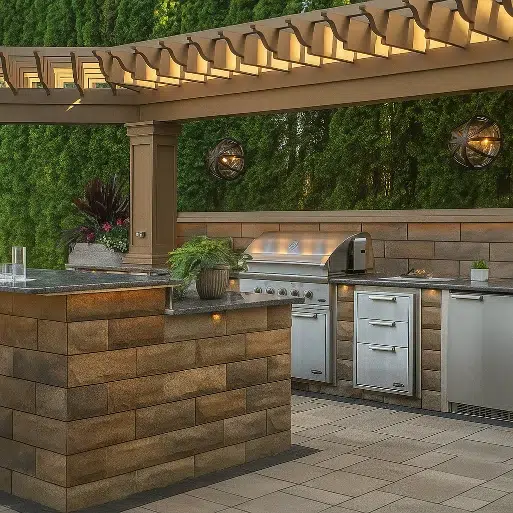
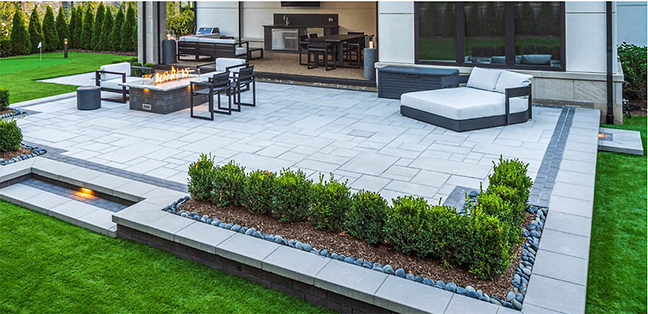
Covers sunken, multi-tiered patios, firepits, pergolas, etc.

  • Brick Paver Patio Cost: What Homeowners Should Expect

    Brick Paver Patio Cost: What Homeowners Should Expect

    Brick Paver Patio Cost: What Homeowners Should Expect

    • Average brick paver patio projects in Metro Detroit typically range between $8,000-$18,000 depending on size, design, and materials.
    • Base excavation, proper site preparation, and drainage solutions directly impact your overall project quote and long-term durability.
    • Restoration and repair projects provide cost-effective options to renew existing hardscapes without the expense of a full replacement.

    When you work with JLR Brick Pavers & Landscaping, you partner with a family-owned, multi-generational business with over 25 years of hardscaping experience. Our team brings a personal touch to every backyard. Excellent client communication is central to how we operate, and we can usually schedule your appointment in less than 24 hours from the moment you call.

    Average Brick Paver Patio Costs in Metro Detroit

    Planning an outdoor project starts with understanding your budget. In Oakland County communities like Bloomfield Hills, Troy, and Royal Oak, patio installation cost varies based on scale and features.

    The final price tag for your backyard renovation depends heavily on your material selection, structural choices, and site readiness. High-grade pavers offer long-lasting beauty and superior strength, but they require proper technical preparation beneath the surface to ensure they remain level season after season. If you currently have an old deck that needs to be redone, transitioning to a stone or brick patio provides exceptional durability against Michigan winters, making it a highly reliable upgrade for local properties. Today, an average brick paver patio project settles between $8,000-$18,000.

    What Drives Your Project Quote: Materials, Site Preparation, & Drainage Add-Ons

    Your final brick paver patio cost depends on several core factors beyond simple square footage:

    • Material Selection: High-grade interlocking pavers offer long-lasting beauty and superior strength.
    • Site Preparation: Proper soil excavation, grading, and aggregate base installation ensure your patio stays level season after season.
    • Drainage Solutions: Heavy rain conditions require smart drainage planning to keep water moving safely away from your home foundation.

    We also offer outdoor living add-ons such as gazebos, pergolas, and complete landscape design to finish your backyard oasis.

    Beyond Patios: Walkways, Retaining Walls, & Patio Restoration Projects

    Our expertise extends well past standard patio builds. To help you maximize your property, we offer services beyond patios: some of our top hardscaping services include custom brick paver walkways and entryways, structural retaining walls and seat walls, integrated steps, and landscape lighting. We also specialize in professional patio restoration and paver repairs.

    Restoration projects are increasingly popular in today’s economy. If your existing pavers have sunken or shifted, targeted repairs can fully renew your space without the expense of starting from scratch.

    Ready to Transform Your Outdoor Space? Choose JLR Brick Pavers & Landscaping

    Your dream backyard is closer than you think. As local hardscaping specialists, we deliver quick responses to phone inquiries, regular updates during construction, and transparent pricing.

    “[JLR Brick Pavers & Landscaping] exceeded our expectations. They don’t just lay pavers — they bring real design insight and a deep understanding of materials, layout, and overall landscape flow. Their work ethic and attention to detail are exceptional. We’re thrilled with the results and would recommend them to anyone wanting to elevate their outdoor space.” – C. V., Google Reviews

    Call us today or request a quote! Let us help you reimagine your outdoor living space with total confidence!

  • Outdoor Living Space Ideas for Backyards: Patios, Kitchens & More

    Outdoor Living Space Ideas for Backyards: Patios, Kitchens & More

    Outdoor Living Space Ideas for Backyards: Patios, Kitchens & More

    • High-quality brick patios, functional outdoor kitchens, cozy fire features, and custom shade structures provide the best ways to maximize backyard utility and enjoyment.
    • Designing with premium, durable materials ensures a lifespan of 25 years or more, protecting your landscape investment against harsh seasonal freeze and thaw cycles.
    • Creating distinct zones for cooking, lounging, and dining establishes a natural structural flow that replicates the comfort of your indoor floor plan outside.

    Transforming a standard backyard into a luxurious retreat requires thoughtful design and exceptional craftsmanship, which is why homeowners trust JLR Brick Pavers & Landscaping to bring their unique visions to life. We believe your outdoor environment should serve as a beautiful, seamless extension of your home. Hardscaping is an excellent investment in your property value, especially when choosing materials designed to withstand local climate conditions. If you are currently gathering inspiration for a total backyard makeover, exploring a variety of outdoor living space ideas can help you visualize exactly what is possible for your property before construction begins.

    Custom Foundations and Patio Layouts

    The foundation of any great backyard design begins underfoot, establishing the traffic flow and aesthetic tone for the entire yard. Implementing smart backyard patio ideas sets the stage for all your future outdoor relaxation and activities.

    1. Multi-Level Brick Paver Patios: Designing a patio with multiple levels creates distinct outdoor rooms without physical walls. You can separate your main dining area from a lower lounging zone, optimizing the natural slope of your yard and creating depth.
    2. Resort-Style Pool Decks: Upgrading your pool surroundings with slip-resistant, cool-touch premium brick pavers elevates safety and luxury simultaneously, providing a beautiful border that stays comfortable under barefoot traffic.

    Ultimate Outdoor Culinary Experiences

    Designing a functional outdoor cooking space requires durable countertop surfaces and built-in appliances positioned to create an efficient culinary workflow. Modern backyards feature complete professional setups that make entertaining large groups seamless and efficient.

    1. Fully Equipped Outdoor Kitchens: Incorporating built-in stainless steel grills, durable countertops, and prep stations allows you to cook full meals without running back inside. Discover more layout options on our page about outdoor kitchens and bars to find your perfect configuration.
    2. Custom Built-In Bars: Adding raised bar seating next to your cooking station keeps guests close to the action and provides a casual space for serving drinks and appetizers.
    3. Authentic Pizza Ovens: For a truly unique dining experience, wood-fired brick ovens bake artisanal pizzas quickly at high temperatures while serving as an incredible visual centerpiece. Explore these features further at our page for outdoor fireplaces and pizza ovens for your culinary layout.

    Warmth and Fire Features

    Adding a dedicated heat source naturally draws people together and extends the usability of your outdoor areas well into the late autumn and early spring seasons. Bringing fire elements into the layout creates an inviting ambiance after dark.

    1. Cozy Brick Firepits: A classic circular firepit encourages storytelling, warmth, and marshmallow roasting. Check out our dedicated designs for firepits to see how we integrate these elements seamlessly into custom patio builds.
    2. Grand Outdoor Fireplaces: If you prefer a more formal architectural statement, a full-scale stone or brick fireplace provides vertical visual interest, warmth, and excellent wind block capabilities for your seating area.

    Sophisticated Shade Structures

    Providing reliable protection from the afternoon sun ensures you can enjoy your backyard comfortably during peak daylight hours without overheating. Incorporating overhead coverage defines your seating zones while offering shelter from the elements.

    1. Elegant Pergolas: Wooden or composite pergolas offer beautiful partial shade while letting filtered sunlight through, defining your seating spaces perfectly. Learn about our building styles for pergolas, gazebos, and cabanas to select your shelter option.
    2. Traditional Gazebos: These fully roofed structures provide complete protection from rain and intense sun, allowing for comfortable outdoor dining regardless of unpredictable weather changes.
    3. Private Luxury Cabanas: Creating a poolside or garden cabana with soft fabric drapes or solid privacy walls brings a high-end boutique hotel atmosphere directly to your home.

    When you are ready to move from the early planning phase to professional execution, our experienced team is here to handle every detail from design to final cleanup. To start planning your dream oasis with our specialists, schedule a consultation and book now.

  • Why Hire a Professional for Your Brick Paver Patio Instead of DIYing It

    Why Hire a Professional for Your Brick Paver Patio Instead of DIYing It

    Why Hire a Professional for Your Brick Paver Patio Instead of DIYing It

    A brick paver patio can make your backyard more comfortable, useful, and enjoyable. It gives you a dedicated space to relax, grill, dine, entertain, or simply spend more time outside. For many homeowners, it may look like a project that can be handled with a little planning and a free weekend. The reality is that a lasting brick paver patio takes more than placing pavers in the yard.

    From grading and drainage to base preparation and edge support, every part of the installation affects how the patio looks and performs over time. That is why hiring a professional can save you time, stress, and future repair costs.

    A Brick Paver Patio Starts Below the Surface

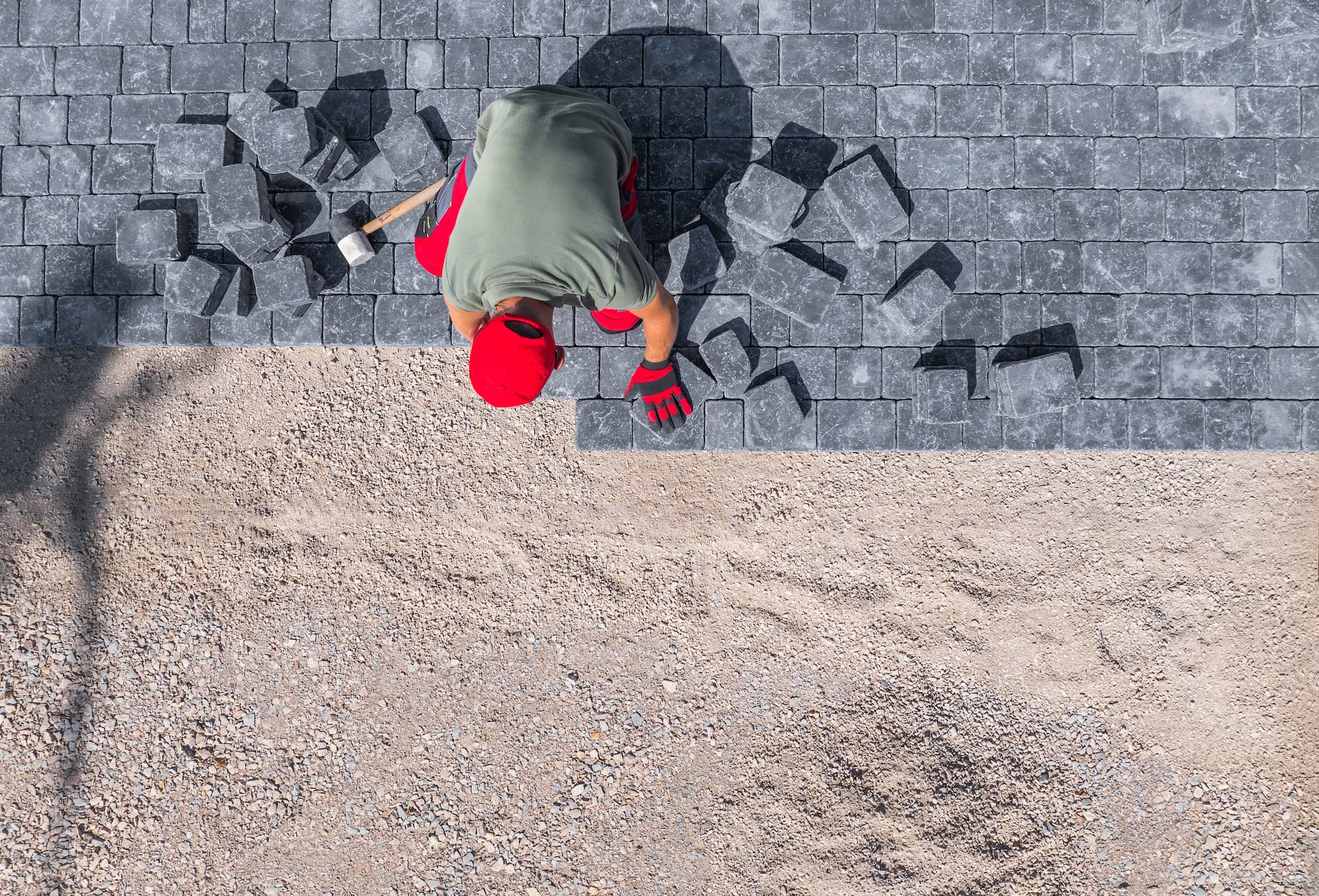
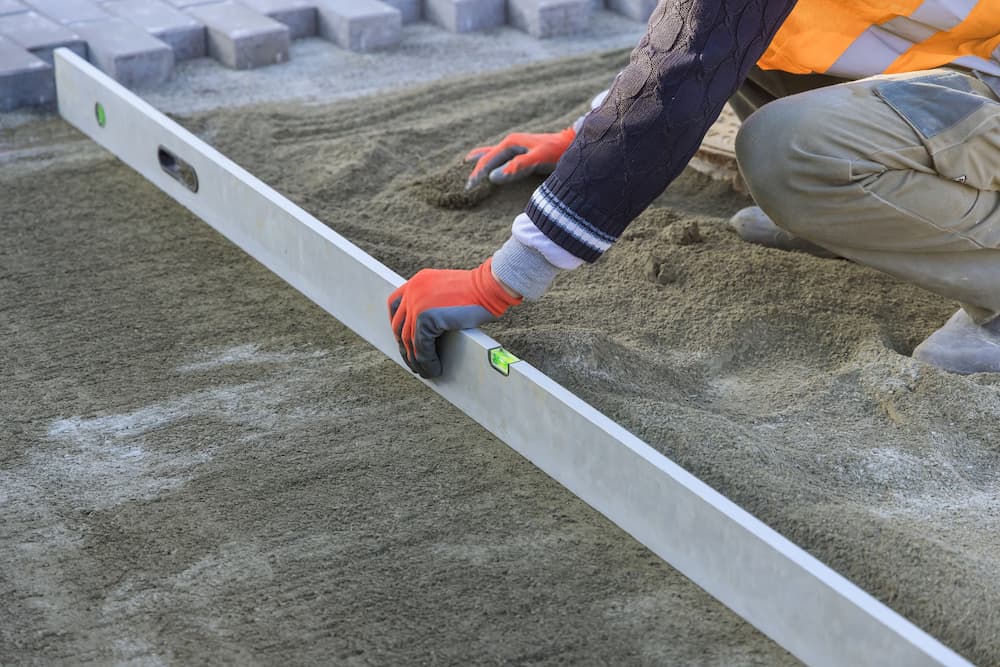
    The most important part of a brick paver patio is not always what you see first. A strong patio starts with the preparation beneath the pavers. The area needs to be properly excavated, shaped for drainage, and built on a compacted base capable of supporting regular use.

    If the base is too shallow, uneven, or poorly compacted, the patio may begin to settle. If the slope is incorrect, water can collect on the surface or move toward the home. If the edges are not secured, the border pavers can shift, creating gaps.

    Professional installers understand how these details work together. They prepare the surface with long-term performance in mind, not just the finished appearance on day one.

    DIY Patio Mistakes Can Lead to Costly Repairs

    A DIY brick paver patio may look fine at first, but problems often appear after rain, heavy use, or Michigan’s seasonal freeze and thaw cycles. Common issues include sinking pavers, uneven walking areas, loose borders, weeds growing through joints, and water pooling in the wrong places.

    These problems can be frustrating because they are not always easy to fix. In some cases, sections of the patio may need to be removed, regraded, reset, or rebuilt. What started as a way to save money can turn into a more expensive repair project.

    Hiring a professional helps reduce those risks. Instead of guessing at each stage, you get a team that understands the materials, site conditions, and installation process.

    Professional Installation Helps Create a Better Finished Patio

    A professionally installed brick paver patio should look clean, feel stable, and fit naturally with the rest of your yard. Beyond the technical installation, an experienced contractor can also help with design decisions. This includes patio size, paver style, color, pattern, border details, and how the patio connects with walkways, steps, fire pits, garden beds, or other outdoor features.

    JLR Brick Pavers & Landscaping brings more than 25 years of experience to outdoor living projects throughout Metro Detroit. That experience helps homeowners avoid common installation problems while creating patios that are built for daily use and long-term enjoyment.

    A professional team can also complete the project more efficiently than most homeowners can on their own. That means less disruption, fewer mistakes, and a finished patio you can begin enjoying sooner.

    Work With JLR Brick Pavers & Landscaping

    If you are thinking about adding a brick paver patio to your home, you do not have to take on the project alone. JLR Brick Pavers & Landscaping helps homeowners in Bloomfield Hills, Birmingham, Troy, Royal Oak, Berkley, Huntington Woods, Franklin, Southfield, and surrounding Oakland County communities create outdoor spaces that are attractive, functional, and built with care.

    Whether you want a simple backyard seating area or a larger outdoor living space for entertaining, professional brick paver patio installation can help protect your investment from the start. Ready to plan your project? Request a quote or book an estimate with JLR Brick Pavers & Landscaping today.

    Image Source: Shutterstock / DifferR

  • Adding Outdoor Features with Brick Pavers: Fire Pits, Walkways, & Pool Decks

    Adding Outdoor Features with Brick Pavers: Fire Pits, Walkways, & Pool Decks

    Adding Outdoor Features with Brick Pavers: Fire Pits, Walkways, & Pool Decks

    Brick pavers can transform your backyard into a stunning outdoor retreat. Whether you’re adding a fire pit, walkway, or pool deck, these pavers offer a durable, attractive solution. Discover how brick pavers enhance outdoor spaces with their durability, slip resistance, and low maintenance. With features like fire pits, walkways, and pool decks in mind, you can find unique design tips and functional benefits. Learn how to create a cohesive outdoor look with layout ideas and color choices, and see how pavers withstand seasonal changes. Consider these options to elevate your home’s exterior, and contact JLR Brick Pavers & Landscaping for an estimate.

    The Versatility of Brick Pavers

    Brick pavers offer a flexible solution for outdoor projects, letting homeowners tailor their spaces to their style and needs. Their durability handles heavy foot traffic and harsh weather, keeping outdoor features attractive and functional over time.

    Safety is another advantage: brick pavers provide excellent slip resistance, which is critical in wet areas like pool decks and walkways. This is especially reassuring for families with children or elderly members.

    For maintenance, brick pavers are a practical choice. They resist stains and require minimal upkeep, making them ideal for those who want to enjoy their outdoor spaces without frequent cleaning.

    With their durability, safety, and low maintenance, brick pavers are a smart choice for enhancing outdoor living areas. Whether you’re planning a fire pit, walkway, or pool deck, brick pavers offer a dependable foundation for your projects.

    Popular Outdoor Features With Brick Pavers

    Brick pavers are a top choice for creating custom outdoor features that enhance your home’s exterior. Consider these popular additions.

    Fire Pits

    A fire pit can transform your outdoor space into a cozy gathering spot. Brick pavers are ideal for building fire pits because of their durability and heat resistance. Choose from designs like circular or square layouts to match your style. For safety, place the fire pit away from flammable structures and vegetation, and consider adding a fire-resistant barrier.

    Walkways

    Brick paver walkways are practical and attractive. They guide foot traffic, reduce lawn wear, and enhance your landscape. Consider patterns such as herringbone or basketweave for visual interest. Pairing brick pavers with natural stones or gravel can create a cohesive look that ties together outdoor elements.

    Pool Decks

    For pool areas, brick pavers are an excellent choice because their slip resistance enhances safety around wet surfaces. Available in various colors and finishes, they let you create a theme that complements your pool’s look. Choose cooler tones to highlight the water’s blue hues or warm, earthy colors for a natural feel. Their durability ensures your pool deck withstands constant exposure to water and sun.

    Designing With Brick Pavers: Inspiration and Ideas

    When designing with brick pavers, the options are vast. For a cohesive outdoor design, use a consistent color palette across features. Mixing materials such as brick pavers with wood or metal accents can add depth and texture. Layout ideas like curved walkways or multi-level patios can create dynamic spaces that invite exploration and relaxation.

    Seasonal Considerations

    Brick pavers are built to endure various weather conditions, making them a reliable choice for any climate. Their ability to expand and contract with temperature changes prevents cracking and ensures longevity. Regular cleaning and sealing protect against stains and weathering. In colder climates, using a sealant helps prevent moisture from penetrating the pavers and reduces freeze-thaw damage.

    Make Outdoor Updates With JLR Brick Pavers & Landscaping

    Incorporating brick pavers into your outdoor spaces offers numerous benefits, from enhancing aesthetic appeal to providing durable, low-maintenance solutions. Whether you’re adding a fire pit, walkway, or pool deck, brick pavers offer versatility and style that can elevate your home’s exterior. Consider these options to transform your outdoor living areas into elegant and functional retreats. For expert assistance and a personalized estimate, contact JLR Brick Pavers & Landscaping today.

  • Top Brick Paver Design Ideas & Patterns to Transform Your Outdoor Space

    Top Brick Paver Design Ideas & Patterns to Transform Your Outdoor Space

    Top Brick Paver Design Ideas & Patterns to Transform Your Outdoor Space

    Creating a stunning landscape starts with a solid foundation that balances beauty and function. Whether you are looking to revamp a tired driveway or install a brand-new patio, the right materials make a significant difference in your home’s value. At JLR Brick Pavers & Landscaping, we specialize in helping homeowners throughout Bloomfield Hills, Rochester Hills, and Troy turn their outdoor dreams into reality. Choosing the right layout and materials is more than just a home improvement project; it is a long-term investment in your property’s curb appeal. From classic aesthetics to modern trends, the possibilities for customization are nearly endless when you work with an experienced local team.

    Popular Paver Patterns to Define Your Style

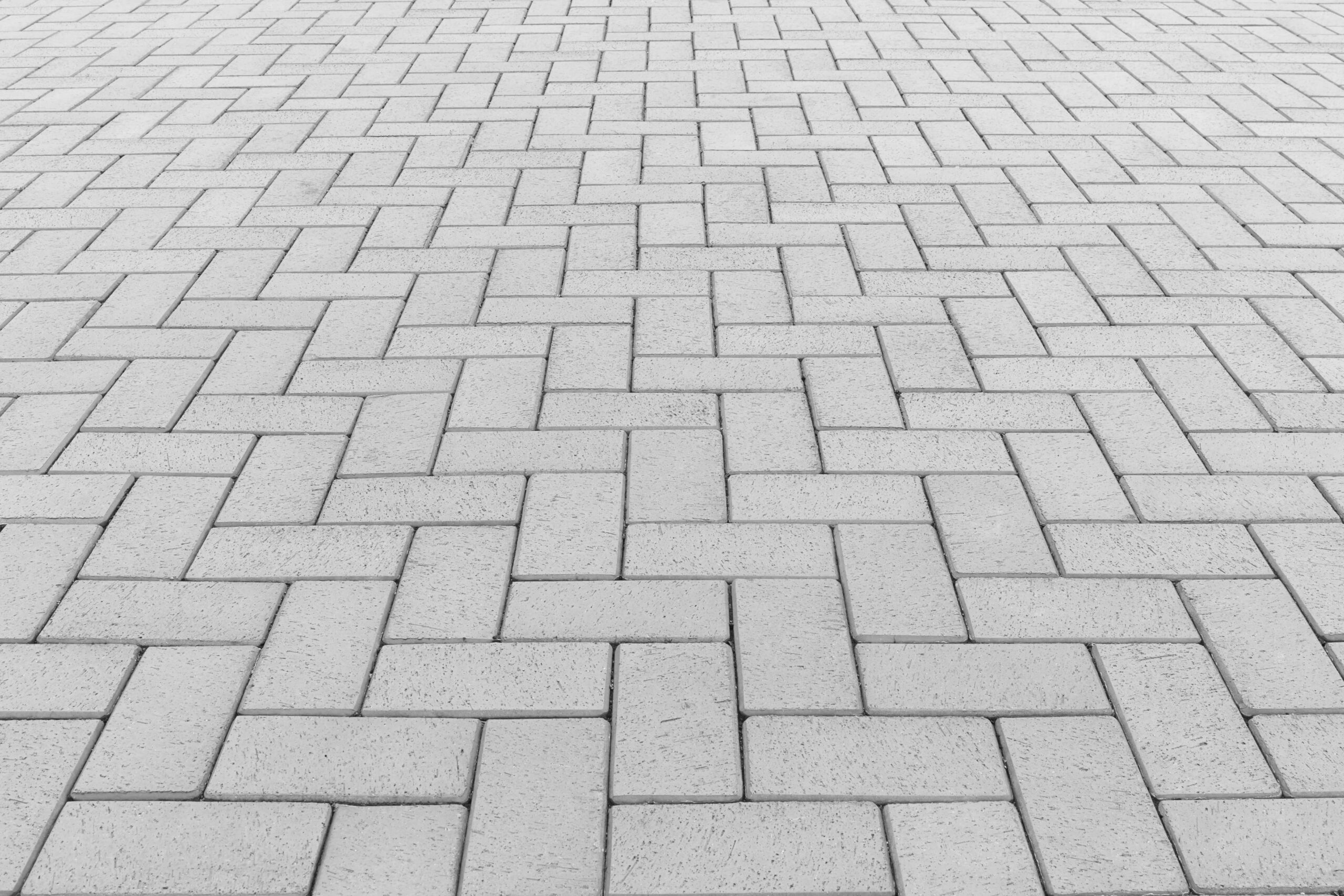
    The pattern you choose for your stones significantly impacts the final look of your project. For those who prefer a timeless feel, the herringbone pattern is a top choice. This interlocking layout is not only visually striking but also incredibly durable. Because the stones are set at 45- or 90-degree angles, they resist shifting under the weight of vehicles, making them perfect for driveways in Royal Oak or Berkley. If you want something more traditional, the basketweave pattern offers a charming, vintage aesthetic that works beautifully for garden walkways. This style uses pairs of pavers laid sideways and then vertically to create a woven appearance.

    If you prefer a modern look, many homeowners in Huntington Woods and Franklin choose running bond or modular patterns. A running bond has rows of pavers with joints offset by half a stone, making clean lines that help small spaces look bigger. Modular patterns use stones of varying sizes for a more natural, varied look. These styles are great for large patios when you want to avoid a uniform feel and create a custom, layered backyard design.

    Customizing with Colors, Textures, and Borders

    When you work with JLR Brick Pavers & Landscaping, you can customize every detail. Picking the right colors helps your new hardscape match your home’s style. Earthy colors like deep reds and browns give a rustic look, while cool greys and charcoals feel modern. You can also choose different textures, from smooth finishes for a clean look to tumbled, weathered surfaces for a more classic feel. These textures add style and can also make pool decks or stairs less slippery.

    To make your project unique, try adding borders and accents. Using a different color or stone shape along the edges of a walkway or patio gives it a polished look. You can also mix materials, like pairing pavers with natural stone or decorative gravel, to set apart areas like a seating spot or fire pit. These small touches turn a basic project into a custom design that shows off your style.

    A New Trend: Large Format Pavers for Resort-Style Living

    While traditional patterns like herringbone and basketweave offer timeless charm, many homeowners are now embracing the modern, high-end aesthetic of large format pavers. These larger stones, which can be part of a modular or a singular-size pattern, are the go-to for achieving a luxurious, “resort-style” outdoor space. Their expansive surface area and minimal joint lines create a sophisticated, seamless look that is especially impactful on large patios and pool decks. This choice avoids a busy appearance, lending itself to clean lines and an open, airy feel that is characteristic of contemporary luxury design. Large format pavers pair beautifully with cool-toned colors like light greys and charcoals and smooth textures to enhance the sleek, modern ambiance

    Design Tips for Functionality and Durability

    Looks matter, but a good outdoor space also needs to work well. In Franklin and across Oakland County, the weather can change a lot, so you need materials and installation that can withstand freezing and thawing. JLR Brick Pavers & Landscaping installs everything with proper drainage and a level surface to stop shifting or water buildup. When planning your layout, consider how people will move through the space. Walkways should guide guests to entrances, and patios should be big enough for your furniture and grill without feeling crowded.

    Elevate Your Landscape with JLR Brick Pavers & Landscaping

    A great outdoor space is like an extra room for relaxing and entertaining. At JLR Brick Pavers & Landscaping, we’re proud of our work and our focus on quality. We know what Michigan yards need and will work with you to design a space that fits your style. If you’re thinking about an upgrade, check out our gallery for ideas. Contact JLR Brick Pavers & Landscaping or call at (248) 250-1330 to set up a consultation and get started on your new outdoor space.

    Image Credit :Virrage Images

  • Brick Paver Repair vs. Replacement: Warning Signs to Watch For

    Brick Paver Repair vs. Replacement: Warning Signs to Watch For

    Brick Paver Repair vs. Replacement: Warning Signs to Watch For

    When you first got them, your brick pavers were a beautiful enhancement to your property’s curb appeal and functionality. Unfortunately, time wears on all outdoor surfaces that are exposed to the elements. Brick patios, driveways, and walkways must be carefully maintained to protect both their appearance and their structural integrity. Proper maintenance can extend the lifespan of your pavers and save you money. For homeowners with pavers that are already damaged, the choice between repairing existing pavers or replacing them entirely can be a difficult one. At JLR Brick Pavers, we help Michigan homeowners make this decision with confidence.

    Common Warning Signs Your Brick Pavers Need Attention

    Pavers that need repair or replacement will give you several warning signs:

    • Uneven or sunken pavers create tripping problems and suggest underlying issues.
    • Cracks or broken bricks allow water infiltration that can damage the base material.
    • Shifting or separating pavers indicate a failed interlocking system.
    • Drainage problems or standing water show a loss of proper grading.
    • Excessive joint erosion creates real estate for weed growth and water damage.

    Any of these issues is a reason to consider either repair or replacement of the impacted pavers, or in some cases, the entire installation.

    Understanding the Causes: Why Pavers Fail

    One of the best ways to prevent future problems is to understand why pavers fail and take steps to avoid those conditions.

    • Michigan’s weather extremes and the resulting freeze/thaw cycles cause expansion and contraction that can crack pavers.
    • Heavy rain erodes joint sand and the ground beneath pavers, which can undermine the base material and cause shifting.
    • A poor initial installation or inadequate base layer will inevitably manifest as several problems within a few years.
    • Poor drainage or slope issues can lead to erosion or soil movement under the pavers, causing shifting and related problems.
    • High-traffic areas or surfaces that must bear heavy loads, like vehicles, will wear much more quickly than their less-trafficked counterparts.

    Even under perfect conditions, all pavers experience natural wear and tear over time. Quality materials and proper installation can mitigate some of those issues, significantly extending lifespan, but cannot prevent them entirely.

    Repair vs. Replacement: Making the Right Choice

    When deciding whether to repair or replace your brick pavers, you’ll need to make an honest assessment of the damage and your long-term goals. For minor cracks that affect just a few pavers, repair is often the best solution. In these cases, repair is cost-effective and can extend the life of the paver by years. However, if most of the pavers are damaged or if pavers have excessive joint spacing that can no longer be properly maintained, replacement becomes the more logical option. Severe drainage problems that require complete reconstruction of the base also make replacement the right choice.

    The cost of repairs is also something to factor in. When you do, remember that a new installation comes with a new warranty and greater durability. If the cost of repairs exceeds half the cost of replacement, the long-term financial benefits of replacement tip the scales in favor of replacement. JLR Brick Pavers offers a complete assessment service to help you make the most economical decision, along with expert repair and replacement services.

    Maintaining Your Brick Pavers for Longevity

    Whether you choose to repair or replace, proper maintenance is an important part of getting the longest lifespan possible out of your pavers. Here are some common maintenance tasks that will keep your pavers looking their best:

    • Regular cleaning stops organic growth and staining that can deteriorate the paver’s surface.
    • Sealing pavers every few years keeps moisture at bay and protects the color of the paver.
    • Maintaining proper drainage stops erosion from wearing at the base of the pavers.
    • Promptly refilling joints keeps the interlocking system functioning as intended.

    Michigan’s seasonal weather necessitates some extra precautions. In the spring, check for any damage that occurred over the winter from freeze/thaw cycles. In the fall, clean debris from joints and ensure proper drainage before the freezes begin.

    Routine inspections are the best way to catch small problems and resolve them before they become more costly. Contact JLR Brick Pavers today to request a quote or book an estimate.

    Image credit: // Shutterstock // ungvar

  • From Dirt to Design: Brick Paver Patio Installation That Transforms Outdoor Living in Oakland County

    From Dirt to Design: Brick Paver Patio Installation That Transforms Outdoor Living in Oakland County

    From Dirt to Design: Brick Paver Patio Installation That Transforms Outdoor Living in Oakland County

    Side-by-side before-and-after image showcasing a backyard patio transformation by JLR Brick Pavers & Landscaping. On the left, the “Before” image shows a bare, compacted sand base awaiting paver installation. On the right, the “After” image reveals a beautifully completed brick paver patio with neutral-toned interlocking pavers, integrated seat walls, outdoor dining furniture, and fresh landscaping, including lush green grass and privacy shrubs.

    Dreaming of turning your blank backyard into a welcoming, durable, and low-maintenance outdoor oasis? Whether you’re envisioning a cozy fire pit in Royal Oak, a winding walkway in Rochester Hills, or a multi-tiered patio in Bloomfield Hills, brick paver patio installation is your key to unlocking the perfect blend of beauty and function.

    At JLR Brick Pavers & Landscaping, we specialize in turning underused yards into stunning hardscaped retreats. Here’s how we brought one Oakland County backyard to life—and how we can do the same for you.

    A Suburban Makeover: Outdoor Living Designed With Intention

    This recent transformation began with little more than compacted soil. With over 25 years of in-house expertise, our team at JLR designed a space that’s both practical and visually striking, showcasing a seamless integration of walkways, paver patios, and retaining walls.

    🪨 Natural Stone Walkway: A Beautiful, Functional Pathway

    We installed a flowing natural stone walkway that draws guests from the edge of the yard into the heart of the landscape. Set against lush turf, the organic stone shapes offer a soft, earthy balance to the structured hardscape design.

    • Guides foot traffic effortlessly
    • Blends with natural surroundings
    • Adds character and curb appeal
    Backyard patio installation progress by JLR Brick Pavers showing the transformation from compacted base to finished brick paver patio with dining area, raised seat walls, stepping stones, and manicured garden beds alongside a modern home in Michigan.

    🧱 Brick Paver Patio: The Heart of Outdoor Living

    At the center of the space is a multi-pattern brick paver patio, built with high-end Fendt and Unilock pavers in neutral tones for a clean and timeless look. Custom seat walls frame the patio, offering built-in functionality and style.

    Perfect for:

    • Outdoor dining & entertainment
    • Slip-resistant relaxation year-round
    • Low-maintenance living that handles Michigan’s freeze-thaw cycles

    🌿 Raised Retaining Walls: Practical Beauty

    We tied the yard together with retaining wall planters that define space, prevent erosion, and elevate the garden beds. These ledgestone walls not only support drainage but also echo the home’s architecture, giving the entire landscape a polished, cohesive feel.


    Why Choose Brick Pavers for Your Outdoor Renovation?

    If you’re deciding between stamped concrete and brick pavers, consider the long-term perks that make pavers a smarter investment for Michigan homes:

    ✔ Weather Resistance: Brick pavers won’t crack like poured concrete during seasonal shifts.

    ✔ Easy Maintenance & Repairs: Individual pavers can be replaced—no need for a full redo.

    ✔ Timeless Curb Appeal: Styles and patterns are fully customizable to your home’s design.

    ✔ Sustainability: Permeable options help with yard drainage solutions in areas like Huntington Woods and Beverly Hills.


    What Sets JLR Brick Pavers Apart?

    • All work is done in-house — no subcontractors.
    • 3D project renderings are included to help visualize your space.
    • Fast turnarounds — we often schedule your consultation within 24 hours.
    • Backed by glowing reviews from happy homeowners across Ferndale, Clawson, and Birmingham.
    Google star 1Google star 2Google star 3Google star 4Google star 5Trustindex verifies that the original source of the review is Google.
    Jeff and Ethan are professional, competent and kind. they made my backyard patio last year and I just called them back for another house improvement. they always give you the best advice to make your idea come true, Highly recommended.
    Posted on Google Google
    Antonio B. profile picture
    Antonio B.
    Google star 1Google star 2Google star 3Google star 4Google star 5Trustindex verifies that the original source of the review is Google.
    Ethan was very professional and was able to schedule an assessment quickly. He provided an estimate that I feel is in the ballpark but am waiting on multiple estimates. Website shows some incredible work. A pleasure to work with.
    Posted on Google Google
    Micheline Sommers profile picture
    Micheline Sommers
    Google star 1Google star 2Google star 3Google star 4Google star 5Trustindex verifies that the original source of the review is Google.
    My visit was very interesting, and I was given a full understanding of what type of work usually occurs. Thank you for you honesty
    Posted on Google Google
    Angela Dawson profile picture
    Angela Dawson
    Google star 1Google star 2Google star 3Google star 4Google star 5Trustindex verifies that the original source of the review is Google.
    JLR Brick Pavers and their team did an amazing job on this brick paver patio for my family's home in Bloomfield Hills, Michigan. I highly recommend, incredible service!
    Posted on Google Google
    Ethan Gluzman profile picture
    Ethan Gluzman
    Google star 1Google star 2Google star 3Google star 4Google star 5Trustindex verifies that the original source of the review is Google.
    We had a very positive experience with JLR Brick Pavers. We hired them in February after getting several quotes that were a lot more expensive. Come March 23, they were ready to roll. Within three days we had our old deck torn out a wonderful paver patio installed. There were a few unexpected curveballs that happened and Jeff and Ethan were very fair in adjusting the design and pricing. It was nice to work with a local company that stands by their word!
    Posted on Google Google
    Julie S profile picture
    Julie S
    Google star 1Google star 2Google star 3Google star 4Google star 5Trustindex verifies that the original source of the review is Google.
    Extremely well educated estimator came to my home reviewed the project and gave me a well detailed plan with a reasonable quotation!
    Posted on Google Google
    Len Egal profile picture
    Len Egal
    Google star 1Google star 2Google star 3Google star 4Google star 5Trustindex verifies that the original source of the review is Google.
    Jeff and the JLR team have handled several projects for me over the years, and the service has been consistently fantastic. From landscaping to home remodeling, they take pride in their work and it shows. You’re in great hands with JLR
    Posted on Google Google
    Alex Markovic profile picture
    Alex Markovic
    Google star 1Google star 2Google star 3Google star 4Google star 5Trustindex verifies that the original source of the review is Google.
    My wife and I loved working with Jeff and Ethan at JLR! They were kind, knowledgeable, and recommended designs and patterns that exceeded our expectations! Living in Royal Oak, you’re promised greatness, JLR stuck to that promise! We absolutely will be calling again for our next idea!
    Posted on Google Google
    Randy Sanford profile picture
    Randy Sanford
    Google star 1Google star 2Google star 3Google star 4Google star 5Trustindex verifies that the original source of the review is Google.
    Jlr brickpavers did a great job on my patio. I highly recommend them
    Posted on Google Google
    Maryous Savaya profile picture
    Maryous Savaya

    Frequently Asked Questions

    Q: How long does a typical paver installation take?

    A: Smaller projects like walkways or fire pits take just a few days. Larger builds like multi-tier patios may take a couple of weeks.

    Q: Do you offer custom outdoor features?

    A: Yes! We build fireplaces, pergolas, kitchens, lighting, and more. Everything designed to match your style.

    Q: Which cities do you serve?

    A: We proudly serve Birmingham, Bloomfield Hills, Royal Oak, Rochester Hills, Huntington Woods, Clawson, Ferndale, and beyond.

    Ready to Reimagine Your Yard?

    Don’t wait another season to enjoy the outdoor space you’ve always wanted.

    👉 Book Your Free Estimate with Oakland County’s trusted brick paver experts today.


    📞 Call 844-CALL-JLR or Contact Us at www.jlrbrickpavers.com/book-now to get started.

  • How Has Computerized Design Improved Landscaping?

    How Has Computerized Design Improved Landscaping?

    Landscaping has evolved beyond just planting flowers and laying sod. Today, it’s a thoughtful blend of art, science, and technology. One of the most transformative tools in modern landscaping is computerized design. From simple backyard upgrades to large commercial developments, digital tools are helping professionals create stunning, sustainable, and precise outdoor spaces.

    So, how exactly has computerized design changed landscaping? In this guide, we’ll explore the benefits, applications, and future of using digital design tools in landscaping—and why it matters for both professionals and homeowners.

    What Is Computerized Design in Landscaping?

    Definition and Scope

    Computerized design in landscaping refers to the use of specialized software to plan, visualize, and manage outdoor spaces. These tools can range from basic 2D layout programs to sophisticated 3D rendering platforms that simulate real-world terrain, lighting, and vegetation growth over time.

    Some key functionalities include:

    • Designing hardscapes like patios, walkways, and retaining walls
    • Selecting and placing plants, trees, and shrubs
    • Creating irrigation and lighting plans
    • Analyzing slope, soil, and drainage patterns

    Popular Tools Used

    Some of the leading digital design tools in landscaping include:

    AutoCAD

    Widely used for 2D plans and technical layouts

    SketchUp

    Great for 3D modeling and walk-throughs

    Realtime Landscaping and VizTerra

    Ideal for realistic residential designs

    Lumion

    For high-quality landscape visualization and rendering

    GIS (Geographic Information Systems)

    Used in larger-scale projects for mapping terrain and environmental data

    Benefits of Computerized Design in Landscaping

    One of the biggest advantages is the ability to visualize the landscape before any physical work begins. Designers can create detailed 2D blueprints and 3D renderings that show:

    • How the project will look at different times of day or seasons
    • The future growth of plants
    • Lighting effects, shadows, and textures

    Clients no longer need to “imagine” the outcome—virtual tours make it easy to understand and approve the design.

    Computerized tools help eliminate guesswork. They provide:

    • Scaled plans with exact measurements
    • Realistic topography, grading, and elevation modeling
    • Compatibility with drone surveys and site scans

    This level of precision leads to fewer construction errors, better cost estimates, and optimal material usage.

    Changes are inevitable in any landscaping project. Digital design makes it easy to:

    • Update designs instantly
    • Generate new versions quickly
    • Automate calculations for materials, square footage, and budgets

    This saves time, reduces back-and-forth with clients, and speeds up project approvals.

    With cloud-based platforms and shared digital files, landscapers, architects, engineers, and clients can all stay on the same page. Everyone can:

    • Access real-time updates
    • Leave comments and suggestions
    • Ensure alignment throughout the project

    This boosts collaboration, reduces miscommunication, and streamlines workflows.

    Modern landscaping places a strong emphasis on sustainability. Computerized tools help designers:

    • Model water runoff and erosion
    • Choose native, drought-resistant plants
    • Optimize irrigation zones and lighting plans for energy efficiency

    The result is a greener, more environmentally responsible landscape.

    Applications of Computerized Design in Landscaping

    Residential Landscaping

    Homeowners benefit from custom-designed:

    • Patios and pergolas
    • Fire pits and outdoor kitchens
    • Seasonal planting beds and walkways

    They get to “see” their dream backyard before committing, helping them make informed decisions.

    Commercial and Public Spaces

    Businesses and municipalities use computerized design for:

    • Office parks and campuses
    • Schools, hospitals, and playgrounds
    • Streetscapes, public squares, and community centers

    It helps ensure ADA compliance, safety, and accessibility while also enhancing curb appeal.

    Urban and Environmental Projects

    City planners and environmental consultants use these tools for:

    • Green roofs and vertical gardens
    • Wetland and habitat restoration
    • Stormwater management systems

    These projects improve urban sustainability and community wellbeing.

    Limitations and Considerations

    Learning Curve and Software Costs

    While these tools are powerful, they come with:

    • Steep learning curves for beginners
    • High licensing fees for premium software
    • Hardware requirements for smooth operation

    Training and investment are often necessary for teams to fully benefit.

    Over-Reliance on Technology

    Even with the best software, nothing replaces the experience of walking the site. On-the-ground insight is crucial for:

    • Understanding microclimates
    • Observing natural slopes and obstructions
    • Connecting digital plans with real-world textures and conditions

    A balanced approach—merging digital tools with field knowledge—is key.

    The Future of Landscaping with Computerized Design

    Integration with AI and Augmented Reality

    In the near future, AI may assist designers by:

    • Suggesting layouts based on goals and site data
    • Recommending plants and materials
    • Learning from past projects for faster design generation

    Augmented Reality (AR) will also allow clients to view and “walk through” designs right from their phone or tablet.

    Smart Landscaping Systems

    Design integration with smart tech means:

    • Irrigation systems that adjust automatically based on weather
    • Lighting systems synced with sunrise/sunset
    • Maintenance alerts triggered by soil sensors

    Digital design will be the foundation of more intelligent and responsive landscapes.

    FAQs

    How does CAD software help in landscape design?

    It allows for detailed and scaled planning, making it easier to visualize and execute projects with high precision.

    Is 3D landscaping software suitable for beginners?

    Yes, many platforms like Realtime Landscaping and SketchUp offer user-friendly interfaces and tutorials for beginners.

    What’s the difference between CAD and BIM in landscaping?

    CAD focuses on individual designs while BIM (Building Information Modeling) includes data-rich models for integrated planning across disciplines, though it’s more commonly used in architecture.

    Can computerized landscaping be used for small backyard designs?

    Absolutely. Even for compact spaces, digital tools help visualize possibilities and plan efficiently.

    Computerized design has truly transformed the landscaping industry. It empowers designers to plan with confidence, communicate with clarity, and build with precision. From the first sketch to the final walkthrough, technology is helping to craft landscapes that are not just beautiful, but also sustainable, smart, and perfectly tailored to the client’s vision.

    Why Choose JLR Brickpavers & Landscaping?

    At JLR Brickpavers & Landscaping, we combine the art of landscaping with the power of modern design tools. Our team uses advanced 3D design software to bring your outdoor vision to life—before a single shovel hits the ground. Whether you’re envisioning a new patio, walkway, retaining wall, or full backyard transformation, our commitment to quality craftsmanship and personalized service ensures your project is in expert hands.

    Let’s turn your ideas into a stunning reality—with precision, professionalism, and the latest in landscaping innovation.


    Let’s work together

    We want to help you be able to love and enjoy your outdoor space. Please get in touch and we will get in contact with you about scheduling a free estimate.

  • Landscaping vs Gardening: Key Differences, Benefits, and Which One is Right for You

    Landscaping vs Gardening: Key Differences, Benefits, and Which One is Right for You

    Landscaping vs Gardening: Key Differences, Benefits, and Which One is Right for You

    Outdoor spaces have become an extension of the home, offering places for relaxation, entertainment, and beauty. But when it comes to transforming these spaces, two popular approaches come into play: landscaping and gardening. While they both involve improving your yard or outdoor area, they are quite different in terms of focus, techniques, and results.

    This guide will break down the key differences between landscaping and gardening, how the two can work together, and help you determine which approach (or combination of both) is best for your needs.

    What is Landscaping?

    Landscaping refers to the planning, design, and construction of outdoor spaces. It involves shaping the land and adding both natural and man-made elements to improve the appearance and functionality of the area. Landscaping includes both hardscaping (non-living features like patios, walkways, retaining walls, and outdoor lighting) and softscaping (plants, grass, shrubs, and trees).

    Landscaping is typically a larger-scale project. It may involve excavation, drainage planning, elevation changes, irrigation systems, and long-term design strategies. Landscape designers or architects often help homeowners bring their vision to life through detailed planning and construction.

    The primary goals of landscaping are to enhance curb appeal, boost property value, and create a space that is both functional and visually appealing. Whether it’s a stone walkway leading to a backyard oasis or a tiered garden built into a sloped yard, landscaping is all about creating lasting infrastructure and beauty.

    What is Gardening?

    Gardening is the practice of cultivating and maintaining plants. This can include vegetables, herbs, flowers, shrubs, and trees. Unlike landscaping, gardening focuses specifically on the care, health, and aesthetics of plants and soil.

    Gardening usually takes place within a pre-defined space like a flower bed, vegetable patch, or greenhouse. It involves tasks such as planting, watering, weeding, pruning, fertilizing, and pest control. People often garden for relaxation, sustainability, beauty, or food production.

    Gardening requires a different skill set than landscaping. While landscaping may involve construction tools and machinery, gardening typically uses hand tools like pruners, trowels, and watering cans. It’s a process-oriented activity that requires ongoing attention, observation, and seasonal maintenance.

    Key Differences Between Landscaping and Gardening

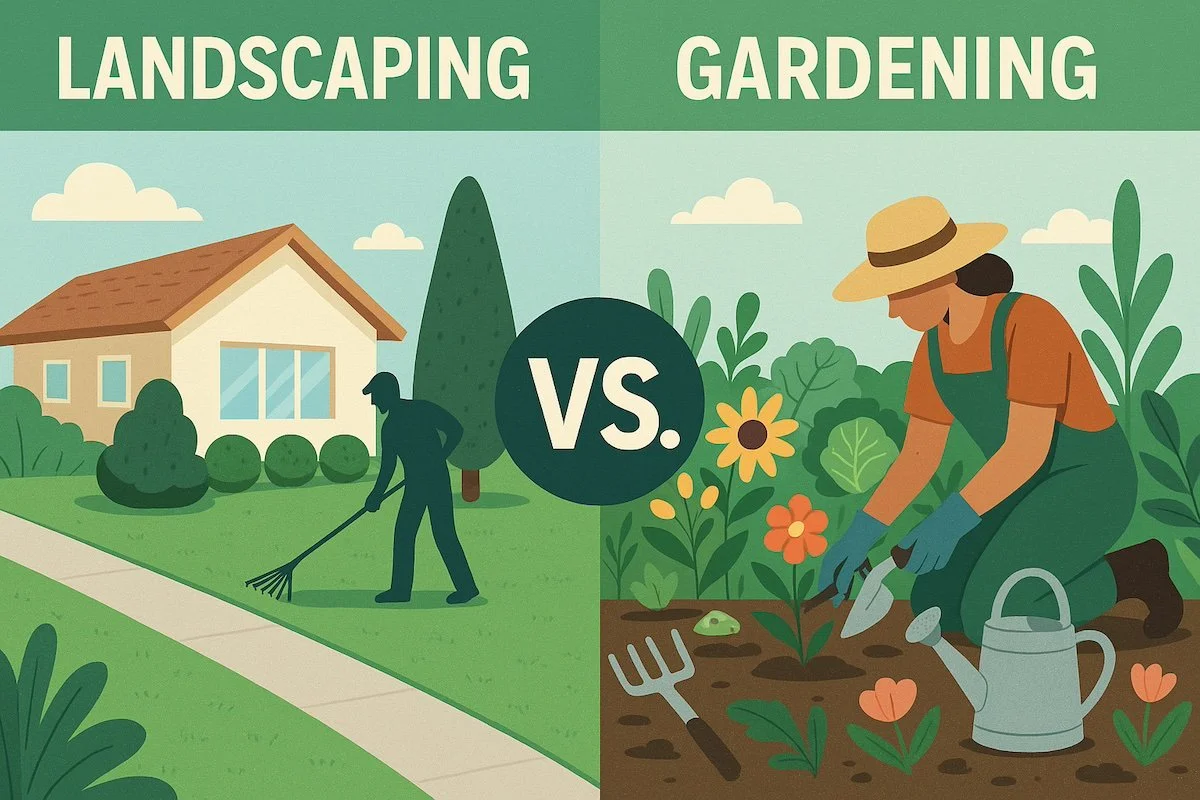
    landscaping vs gardening

    Primary Focus: Landscaping is centered on design, structure, and layout, while gardening focuses on the growth and care of living plants.

    Elements Involved: Landscaping includes both hardscape elements (like patios, decks, and retaining walls) and softscape elements (like trees and flower beds). Gardening deals solely with the cultivation of plants.

    Scale: Landscaping projects are often large in scale, involving multiple components that transform the entire yard. Gardening is usually limited to specific areas like beds, borders, or containers.

    Tools and Equipment: Landscaping may require heavy machinery, grading equipment, or design software. Gardening relies on simpler tools like shears, spades, rakes, and watering cans.

    Timeframe: Landscaping often involves one-time installations that are built to last for many years. Gardening is an ongoing process that changes with the seasons and requires continuous care.

    Budget: Landscaping tends to require a larger upfront investment, whereas gardening is typically more affordable, especially for DIYers.

    How Landscaping and Gardening Work Together

    While distinct, landscaping and gardening often go hand in hand. A beautifully landscaped yard provides the structure, while gardening adds color, life, and texture.

    For example, raised garden beds built from stone (a hardscaping element) can house blooming perennials or seasonal vegetables. A professionally installed irrigation system can make it easier to water garden beds efficiently. Trees planted as part of a landscape plan can offer shade to protect delicate plants and create microclimates for certain types of flowers or crops.

    A cohesive outdoor space typically integrates both landscaping and gardening. Landscaping provides the foundation, and gardening brings it to life.

    Pros and Cons

    Let’s explore the advantages and potential drawbacks of each approach.

    Landscaping Pros:

    • Enhances curb appeal and boosts property value

    • Creates functional spaces for entertaining, relaxing, or recreation

    • Offers long-lasting improvements

    • Can be designed for low maintenance

    Landscaping Cons:

    • Higher initial cost

    • May require professional planning and permits

    • Longer project timelines

    Gardening Pros:

    • Lower cost of entry

    • Therapeutic and enjoyable hobby

    • Seasonal variety and flexibility

    • Encourages pollinators and promotes environmental sustainability

    Gardening Cons:

    • Requires frequent attention and effort

    • Vulnerable to pests, diseases, and climate changes

    • Some plants may only thrive under specific conditions.

    Which One is Right for You?

    To determine whether you should focus on landscaping, gardening, or a combination of both, start by assessing your personal goals and property characteristics.

    Assess Your Needs: If your goal is to completely redesign your outdoor space for better functionality and aesthetics, landscaping is likely your starting point. If you’re more interested in tending to plants, growing vegetables, or creating colorful flower beds, gardening may be your focus.

    Consider Budget and Maintenance: Landscaping projects typically have a higher cost but are often lower maintenance once complete. Gardening is more affordable but involves regular upkeep.

    Think About Time and Skill: Landscaping usually requires professionals for best results. Gardening can be done by anyone with some basic knowledge and patience.

    Factor in Your Climate and Soil: Some areas are better suited for drought-tolerant landscaping, while others provide rich soil that’s ideal for gardening.

    Ultimately, combining landscaping and gardening can give you the best of both worlds — the structure and beauty of a well-designed landscape and the vibrant life and seasonal interest of a thriving garden.

    Professional Help vs DIY

    When to Hire a Landscaper: If your project involves drainage, grading, patios, retaining walls, or irrigation systems, it’s best to consult a professional landscaper. They have the experience and equipment to execute complex plans efficiently and safely.

    When to Work with a Gardener: For plant selection, bed preparation, seasonal maintenance, or pest management, a gardener can help you maintain a healthy and beautiful space.

    Tips for DIY Enthusiasts: Start with small projects. Use local plants that are adapted to your climate. Invest in quality tools, and don’t be afraid to experiment. Online tutorials and garden centers are excellent resources for beginners.

    FAQs About Landscaping vs Gardening

    What is the main difference between landscaping and gardening?

    Landscaping is focused on the overall layout and design of an outdoor space, including both natural and man-made elements. Gardening is focused specifically on planting, growing, and maintaining vegetation.

    Can you do both landscaping and gardening in the same yard?

    Yes. Landscaping and gardening complement each other. A well-designed landscape sets the framework, and gardening brings the space to life with plants and color.

    Does landscaping include planting trees and flowers?

    Yes, though landscaping typically also includes structural and architectural features. Planting trees and flowers is often part of the “softscaping” element of a landscaping plan.

    Which adds more value to a home: landscaping or gardening?

    Landscaping generally adds more long-term value due to its impact on functionality and curb appeal. A beautiful garden enhances visual appeal, which can influence buyer impressions.

    How much does landscaping vs gardening typically cost?

    Landscaping projects may cost anywhere from $3,000 to $15,000 depending on complexity. Gardening costs vary widely based on plant types and garden size but can be done on a smaller budget, especially if you DIY.

    Conclusion: Partner with JLR Brickpavers & Landscaping to Transform Your Outdoor Space

    Now that you understand the differences between landscaping and gardening, you can make a more informed decision on how to transform your outdoor environment. Whether you want a serene flower garden, a fully functional patio, or a mix of both, planning and execution are key.

    That’s where JLR Brickpavers & Landscaping comes in. With years of experience delivering beautifully designed and professionally executed outdoor spaces, JLR specializes in combining custom hardscaping with natural elements to bring your vision to life. Whether you’re starting from scratch or enhancing your existing yard, their team can guide you through every step of the process — from paver installation and retaining walls to planting beds and seasonal updates.

    Choose a team that understands how structure and nature work together. Contact JLR Brickpavers & Landscaping today and let them create a space that’s not only beautiful but truly yours.

  • Hard Landscaping vs. Soft Landscaping: Key Differences & Best Uses

    Hard Landscaping vs. Soft Landscaping: Key Differences & Best Uses

    Hard Landscaping vs. Soft Landscaping: Key Differences & Best Uses

    Landscaping plays a crucial role in enhancing the beauty, functionality, and value of outdoor spaces. Whether it’s a backyard, garden, or commercial landscape, the right mix of materials and plants can transform an ordinary space into a stunning outdoor retreat.

    In landscaping, two primary categories exist: hard landscaping and soft landscaping. Understanding the differences between the two can help homeowners and businesses create an outdoor space that is both functional and visually appealing.

    What is Hard Landscaping?

    Hard landscaping refers to the non-living elements in an outdoor design. These are man-made or naturally occurring solid materials used to structure, support, and define outdoor spaces.

    Common Materials Used in Hard Landscaping

    • Concrete – Used for patios, driveways, and walkways.

    • Brick and Stone – Ideal for pathways, walls, and decorative features.

    • Wood – Often used for decks, pergolas, and fencing.

    • Metal – Found in railings, gates, and structural elements.

    Examples of Hard Landscaping Elements

    • Patios and Decks – Create functional outdoor gathering areas.

    • Driveways and Pathways – Enhance accessibility and curb appeal.

    • Retaining Walls – Prevent soil erosion and add dimension.

    • Fencing and Pergolas – Provide privacy, structure, and aesthetics.

    Benefits of Hard Landscaping

    • Durability – Resistant to weather changes and long-lasting.

    • Low Maintenance – Requires minimal upkeep compared to soft landscaping.

    • Structural Support – Helps in defining outdoor spaces and preventing erosion.

    • Increases Property Value – Well-planned hardscaping enhances curb appeal and marketability.

    What is Soft Landscaping?

    Soft landscaping consists of living, organic materials that bring color, texture, and a natural touch to outdoor spaces. These elements help soften the look of hard landscaping and create a welcoming environment.

    Common Elements of Soft Landscaping

    • Grass – Covers large areas and adds greenery.

    • Trees and Shrubs – Provide shade, privacy, and seasonal variety.

    • Flowers and Plants – Add color and fragrance to the landscape.

    • Hedges and Vines – Create natural barriers and visual appeal.

    Importance of Soft Landscaping

    • Enhances Aesthetics – Adds beauty and visual interest.

    • Supports BiodiversityAttracts birds, bees, and butterflies.

    • Improves Air Quality – Plants help filter pollutants and provide oxygen.

    • Seasonal Flexibility – Can be modified according to the season.

    Key Differences Between Hard Landscaping and Soft Landscaping

    Material & Components

    • Hard Landscaping: Made of non-living materials such as stone, concrete, or wood.

    • Soft Landscaping: Consists of plants, soil, and organic elements.

    Functionality & Purpose

    • Hard Landscaping: Provides structure, stability, and usability.

    • Soft Landscaping: Adds natural beauty and environmental benefits.

    Maintenance & Longevity

    • Hard Landscaping: Requires minimal upkeep but may need repairs over time.

    • Soft Landscaping: Needs regular care, including watering, pruning, and fertilization.

    Cost Considerations

    • Hard Landscaping: Higher initial investment but lower long-term maintenance.

    • Soft Landscaping: Lower upfront cost but ongoing expenses for upkeep.

    Environmental Impact

    • Hard Landscaping: Can lead to drainage issues and heat retention.

    • Soft Landscaping: Supports water absorption and provides cooling effects.

    How to Combine Hard and Soft Landscaping for a Balanced Design

    A well-designed landscape blends hard and soft elements to create a harmonious and functional outdoor space.

    Effective Combinations:

    • Stone pathways surrounded by lush greenery – Creates a natural yet structured feel.

    • Pergolas covered in climbing plants – Blends architectural elements with nature.

    • Retaining walls with integrated flower beds – Adds layers and visual interest.

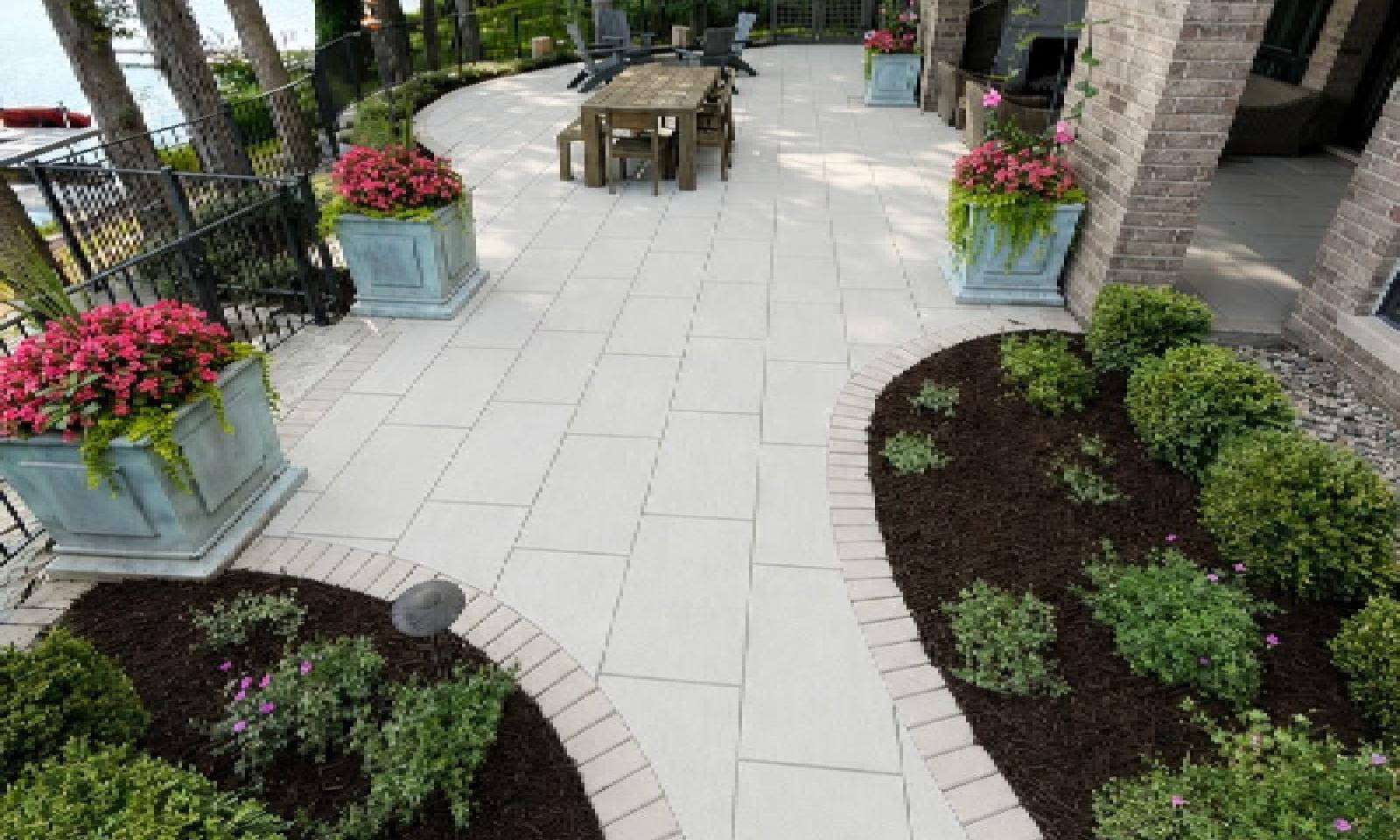
    • Paved patios with surrounding flower beds – Offers a balance between usability and aesthetics.

    Pros and Cons of Hard Landscaping

    Pros:

    • Long-lasting and durable.

    • Provides structural integrity.

    • Requires minimal maintenance.

    • Increases property value.

    Cons:

    • Higher initial cost.

    • Can create drainage issues.

    • Less flexibility in design changes.

    Pros and Cons of Soft Landscaping

    Pros:

    • Enhances natural beauty.

    • Supports the environment.

    • More adaptable and flexible.

    • Improves air quality and biodiversity.

    Cons:

    • Requires ongoing care and maintenance.

    • Vulnerable to seasonal changes and pests.

    • Can be labor-intensive to maintain.

    Choosing the Right Landscaping Approach for Your Needs

    When deciding on a landscaping strategy, consider the following:

    • Budget – Hard landscaping requires a higher initial investment, while soft landscaping demands regular maintenance costs.

    • Climate & Location – Some plants thrive in specific environments, while certain hardscape materials withstand different weather conditions better.

    • Maintenance Preferences – If you prefer a low-maintenance space, hard landscaping may be a better choice.

    • Purpose – If the goal is to create outdoor entertainment areas, hardscaping is essential; if you want a lush, green space, soft landscaping should be the focus.

    • Hiring a Professional – A professional landscaping company can help design a balanced outdoor space that fits your needs and preferences.

    FAQs

    What is an example of hard and soft landscaping together?

    A stone pathway surrounded by flower beds or a wooden pergola with climbing vines is an example of combining hard and soft landscaping.

    Is hard landscaping more expensive than soft landscaping?

    Generally, yes. Hard landscaping requires materials like stone, brick, and concrete, which have a higher upfront cost. However, soft landscaping has ongoing maintenance costs that add up over time.

    Can I change my hard landscaping after installation?

    Yes, but changes can be costly and time-consuming. Unlike soft landscaping, which can be easily modified, hardscape features require careful planning to adjust or replace.

    What are the best plants to use in soft landscaping?

    Native plants, low-maintenance shrubs, perennials, and seasonal flowers are great options. The best choice depends on your climate and soil conditions.

    How do I maintain a balance between hard and soft landscaping in my garden?

    Work with a professional landscaper to ensure a seamless blend of structure and greenery. Combining durable features with natural elements creates an aesthetically pleasing and functional space.

    Conclusion: Enhance Your Landscape with JLR Brickpavers & Landscaping

    At JLR Brickpavers & Landscaping, we specialize in creating breathtaking outdoor spaces that perfectly blend hard and soft landscaping elements. Whether you need a beautifully designed paver patio, retaining wall, driveway, or a lush garden to complement your outdoor space, our expert team is here to bring your vision to life.

    With years of experience in brick paving and landscape design, we understand how to balance aesthetics, functionality, and durability. Our team ensures that your landscaping is not only visually appealing but also built to withstand the test of time.

    If you’re ready to transform your outdoor space with professional hardscaping and softscaping solutions, contact JLR Brickpavers & Landscaping today. Let’s create a landscape that enhances your property and suits your lifestyle.