Category: Paver Patios & Outdoor Living

Covers sunken, multi-tiered patios, firepits, pergolas, etc.

  • How to Stop Water Pooling on Your Patio – Helpful Tips

    How to Stop Water Pooling on Your Patio – Helpful Tips

    How to Stop Water Pooling on Your Patio – Helpful Tips

    Water pooling on your patio can be frustrating and, if left unaddressed, can lead to significant damage. Not only does standing water create an unappealing, slippery surface, but it can also cause structural deterioration, mold growth, and erosion over time.

    If you’re noticing puddles forming after rainfall or water lingering longer than it should, it’s important to take action. In this comprehensive guide, we’ll explore the causes of water pooling, the risks it presents, and the most effective solutions to keep your patio dry and functional.

    What Causes Water Pooling on a Patio?

    Before diving into solutions, let’s first understand why water collects on your patio. The problem usually stems from one or more of the following factors:

    Poor Slope or Leveling

    Patios should be slightly sloped to allow rainwater to drain away naturally. Ideally, the surface should have a ¼-inch slope per foot to direct water off the patio and away from your home. If the slope is too shallow or improperly graded, water will accumulate instead of flowing away.

    Ground Shifting and Settling

    Over time, the ground beneath your patio can shift due to natural settling, causing uneven surfaces or depressions. These low spots trap water, leading to puddling and potential structural issues. Poor installation or inadequate foundation preparation can accelerate this problem.

    Insufficient or Blocked Drainage

    If your patio relies on natural drainage but lacks proper runoff paths, water will pool in areas with no exit. Additionally, if you have a drainage system like a French drain or a trench drain, it may become clogged with leaves, dirt, and debris, preventing water from flowing away efficiently.

    Porous or Improperly Sealed Materials

    Certain patio materials, like porous concrete or unsealed stone, can absorb water rather than repel it. Over time, this can lead to cracks, moss buildup, and increased water retention on the surface. Sealing your patio properly can help mitigate this issue.

    Downspouts Draining Onto the Patio

    If your gutters and downspouts discharge water directly onto the patio, this will result in excessive water accumulation. The runoff from your roof should be directed away from the patio area to prevent pooling and erosion.

    Why You Should Fix Water Pooling Issues ASAP

    Ignoring water retention on your patio can lead to serious consequences, including structural damage, increased slip hazards, mold and algae growth, and a shorter patio lifespan. Addressing these problems early will protect your investment and maintain the beauty of your outdoor space.

    How to Stop Water Pooling on Your Patio: Effective Solutions

    Evaluate the Problem Areas

    Start by identifying where water collects and what might be causing the issue. Check the slope using a long level or straight edge to determine whether your patio is angled correctly. Look for low spots that can be filled in or re-leveled. Inspect existing drains to ensure they’re clear and functioning properly.

    Improve Drainage Solutions

    Install a French Drain or Trench Drain

    A French drain is a gravel-filled trench with a perforated pipe that redirects water away from your patio. A trench drain, on the other hand, is a surface-level drain with a grated cover, ideal for collecting and channeling excess water. Both options are effective in improving drainage and preventing pooling.

    Use Permeable Pavers

    If you’re considering resurfacing your patio, opt for permeable pavers, which allow water to seep through into the ground rather than collecting on the surface. These pavers are designed to improve drainage while maintaining a stylish appearance. Learn the key differences between brick and concrete pavers here.

    Extend Downspouts Away from the Patio

    Redirecting downspouts so they discharge water at least 5 to 10 feet away from your patio can significantly reduce excess water. Downspout extensions or underground drainage pipes can be used to achieve this.

    Regrade or Resurface the Patio

    Regrading the Patio

    If the slope of your patio is too flat, regrading it can help direct water away from the surface. This process involves slightly raising one end or adjusting the angle for improved runoff.

    Adding a Concrete Overlay

    For concrete patios with low spots, applying a self-leveling concrete overlay can even out the surface and eliminate pooling areas.

    Replacing the Patio Base

    If poor foundation preparation is the root cause, you may need to remove and reinstall the patio with a properly compacted base and improved drainage layers.

    Seal the Patio Surface

    If your patio is made of concrete, brick, or natural stone, applying a high-quality sealant can help prevent water absorption. A sealed surface repels water and reduces moisture buildup, preventing erosion and mildew growth.

    Install a Sump Pump for Severe Cases

    For patios in areas prone to heavy rain or flooding, a sump pump system may be necessary to actively remove excess water and direct it to a safe drainage area.

    Conclusion: Let the Experts at JLR Brick Pavers & Landscaping Help!

    Fixing water pooling on your patio requires careful planning and the right expertise. Whether you need better drainage, surface regrading, or a complete patio overhaul, JLR Brick Pavers & Landscaping is here to help.

    At JLR Brick Pavers & Landscaping, we specialize in designing and installing patios that enhance both functionality and aesthetics. With over two decades of experience, we ensure that every patio we create is properly sloped, well-drained, and built to last.

    If you’re tired of dealing with standing water on your patio, let’s work together to find the perfect solution. Contact us today to schedule a consultation!

    FAQs

    What is the best way to fix standing water on a patio?

    The best approach depends on the cause. If your patio has an improper slope, regrading it is a good solution. If drainage is an issue, installing a French drain or using permeable pavers can help.

    How do I prevent water from pooling on my concrete patio?

    Applying a waterproof sealant, improving the slope, and adding drainage solutions like a trench drain can effectively prevent water retention.

    Can a patio be repaired instead of replaced?

    Yes! Many issues can be fixed without a full replacement. Techniques like regrading, leveling, and sealing can extend the life of your patio while improving drainage.

  • What is Paver Base? Understanding its Role in Strong, Long-Lasting Outdoor Surfaces

    What is Paver Base? Understanding its Role in Strong, Long-Lasting Outdoor Surfaces

    Paver Base: What It Is and Why Every Outdoor Project Needs One

    Creating beautiful and functional outdoor spaces often begins with one crucial element: a strong foundation. Whether you’re building a patio, walkway, or driveway, the key to ensuring its durability and stability lies in the paver base. But what exactly is a paver base, and why is it so essential? This guide will answer these questions and provide an in-depth look at its role in constructing long-lasting outdoor surfaces.

    What is Paver Base?

    Definition and Composition

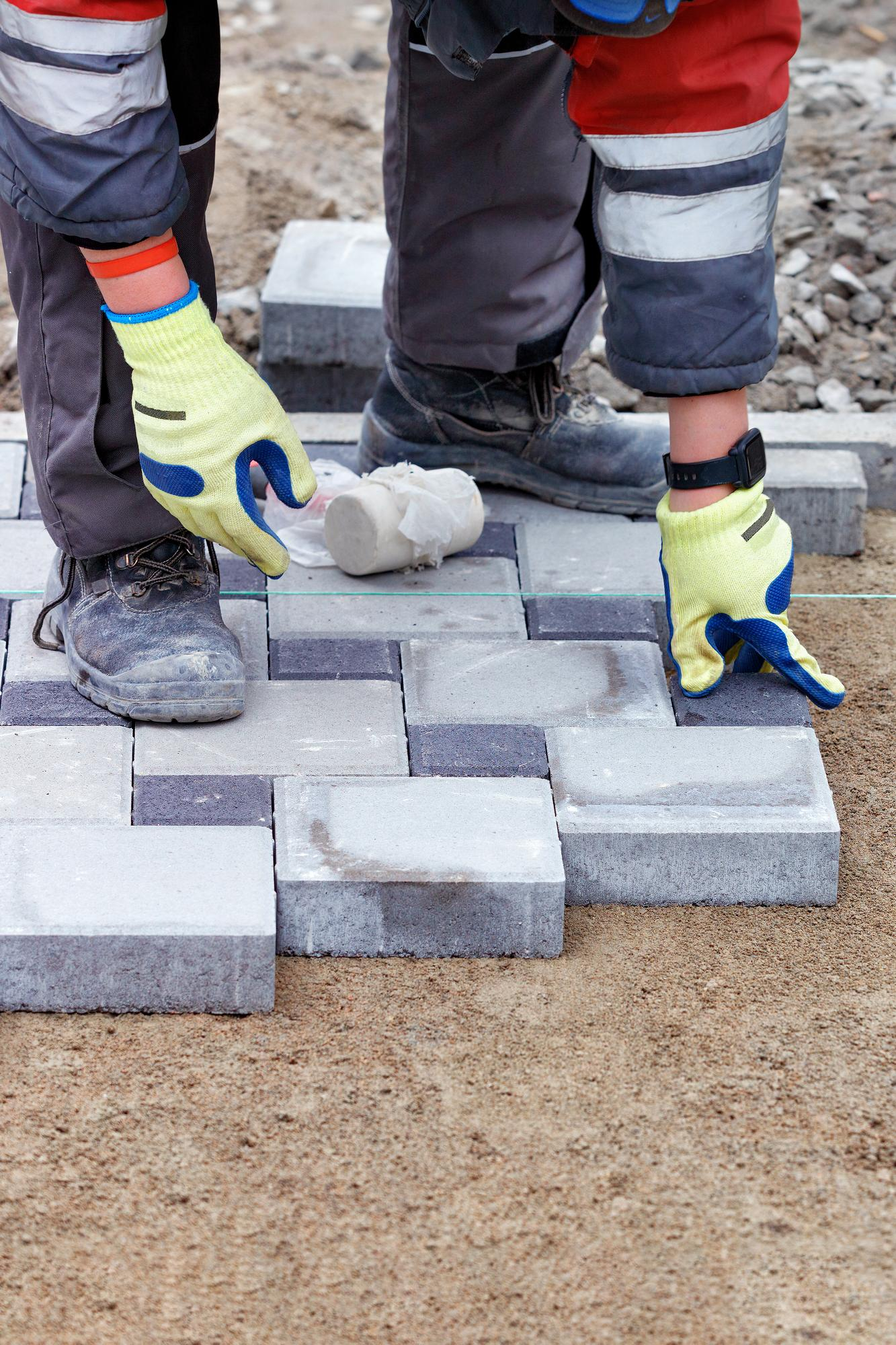
    A paver base is the foundational layer upon which pavers are laid. It typically consists of compacted materials like crushed stone, gravel, or sand. This foundational layer not only provides stability but also helps distribute weight evenly across the surface, preventing shifting and settling over time.

    Types of Paver Base Materials

    • Crushed Stone: Known for its excellent drainage and compaction properties, crushed stone is a popular choice for creating durable bases. Its angular edges interlock, forming a stable foundation.
    • Gravel: A versatile option that provides stability and drainage, gravel is commonly used in various outdoor projects.
    • Sand: Often used as a bedding layer, sand helps create a smooth surface for the pavers. It is particularly effective for leveling and filling gaps between stones.
    • Specialty Products: Polymeric sand and other specialty materials add extra strength and help lock pavers in place for long-term stability.

    Why is Paver Base Essential for Outdoor Surfaces?

    Structural Integrity

    The paver base serves as the backbone of your project, preventing pavers from shifting, cracking, or sinking over time. By evenly distributing the load, it ensures the surface remains stable even under heavy foot or vehicle traffic.

    Drainage and Longevity

    A well-prepared paver base promotes proper drainage, which is crucial for preventing water accumulation. Poor drainage can lead to erosion, weakening the foundation and reducing the lifespan of your outdoor surface. By using the right materials, water can flow away efficiently, protecting your investment for years.

    Enhancing Durability

    Outdoor surfaces endure constant exposure to elements and heavy usage. A properly installed paver base provides the durability needed to withstand these stresses, making it ideal for driveways, patios, and other high-traffic areas. It ensures that your project can handle wear and tear without losing its appeal or functionality.

    How to Choose the Right Paver Base Material

    Factors to Consider

    • Soil Type: The soil in your area plays a crucial role in determining the type of base material. For example, clay soil may require additional drainage layers to avoid water retention.
    • Climate: In regions with freeze-thaw cycles, materials like crushed stone are essential for preventing frost heave and maintaining stability.
    • Paver Type: Heavier pavers require a stronger, more robust base to support their weight.
    • Intended Use: Surfaces exposed to vehicles, such as driveways, demand deeper and sturdier bases compared to garden paths or patios.

    Professional Recommendations

    Consulting with professionals can help determine the best materials and installation techniques for your specific project. For instance, crushed stone may be ideal for driveways, while sand might suffice for a backyard patio. Experienced contractors can also assess your soil and climate to recommend tailored solutions.

    Steps to Install a Paver Base

    Preparation

    • Site Selection: Choose a level area and clear it of debris, vegetation, and roots to ensure a clean start.
    • Marking the Area: Use stakes and string to outline the project area, ensuring accurate measurements.
    • Excavation: Dig to the required depth, typically 6-12 inches, depending on the project’s use and climate. Proper excavation is critical for long-term stability.

    Laying the Base

    1. Add Base Material: Begin with a layer of crushed stone or gravel, spreading it evenly across the excavation site.
    2. Compact Each Layer: Use a plate compactor to firmly pack down the material. This step ensures the base is solid and prevents future settling.
    3. Repeat: Add multiple layers until the desired depth is reached, compacting each layer thoroughly to achieve a strong foundation.

    Finalizing the Installation

    • Bedding Layer: Spread a layer of sand over the compacted base to create a smooth surface for laying pavers. This layer also helps with leveling and minor adjustments.
    • Place Pavers: Arrange the pavers in your desired pattern, leaving small gaps for joint sand.
    • Seal the Surface: Apply a paver sealer to protect against stains, weathering, and erosion, enhancing both durability and appearance.

    Common Mistakes to Avoid When Installing Paver Base

    Insufficient Excavation

    Digging too shallow can compromise the stability of your project. Always ensure the excavation depth matches the intended use of the surface, considering factors like soil type and climate.

    Skipping Compaction

    Failing to compact the base material properly can lead to uneven surfaces and premature settling. Compact each layer to ensure maximum stability and avoid costly repairs in the future.

    Using the Wrong Material

    Not all materials are suitable for every project. For example, sand alone isn’t strong enough for driveways but works well for patios. Choosing the wrong material can result in instability and reduced longevity.

    Benefits of a Properly Installed Paver Base

    Stability and Safety

    A well-laid paver base minimizes the risk of uneven surfaces, creating a safe and stable area for walking or driving. It prevents pavers from shifting or sinking, ensuring consistent performance over time.

    Cost-Effectiveness

    Investing in a quality paver base reduces the need for frequent repairs, saving you money in the long run. A durable foundation ensures that your outdoor surfaces maintain their functionality and appearance for decades.

    Enhanced Aesthetics

    A stable foundation prevents pavers from shifting, maintaining the visual appeal of your outdoor space for years. Proper installation techniques and materials can significantly enhance the overall look of your project.

    FAQs About Paver Base

    What is the best material for a paver base?

    Crushed stone is often recommended for its excellent drainage and compaction properties. However, the best material depends on your project’s requirements, soil type, and climate.

    How deep should a paver base be?

    The depth typically ranges from 6 to 12 inches, depending on the surface’s intended use and local climate. Driveways and other high-traffic areas may require a deeper base.

    Can I install pavers without a base?

    While possible for small, low-traffic areas, skipping a paver base can lead to instability and a shorter lifespan for your project. A proper base is essential for long-term durability.

    How often should I replace a paver base?

    A properly installed base can last decades, but it may need replacement if signs of erosion or instability appear. Regular maintenance can extend its lifespan and ensure optimal performance.

    Conclusion

    At JLR Brick Pavers & Landscaping, we understand that a durable and beautiful outdoor space starts with a strong foundation. As specialists in designing and constructing patios, driveways, and walkways, we ensure every project has a high-quality paver base for lasting stability and appeal.

    Our expertise and commitment to quality guarantee that your outdoor surfaces will stand the test of time. If you’re planning an outdoor project, trust our team to deliver exceptional craftsmanship and expert guidance. Contact JLR Brick Pavers & Landscaping today, and let’s build something extraordinary together.

  • Brick Pavers vs. Concrete: Key Differences Explained

    Brick Pavers vs. Concrete: Key Differences Explained

    Brick Pavers vs Concrete: Key Differences Explained

    When it comes to enhancing your outdoor spaces, choosing the right material can make all the difference. Two of the most popular options—brick pavers and concrete—are often at the center of the debate.

    Both materials have their own strengths and are well-suited for driveways, patios, and walkways, but selecting the best option requires careful consideration of aesthetics, durability, maintenance, and cost.

    Brick pavers offer timeless charm and exceptional durability, while concrete is celebrated for its affordability and design versatility. Understanding the nuances of these materials will help you determine the best fit for your project.

    Overview: Brick Pavers vs. Concrete

    • Brick Pavers: Offer unmatched durability, a classic aesthetic, and easy repair options but have a higher upfront cost.
    • Concrete: Provides a budget-friendly solution with customizable designs, though it is prone to cracking and harder to repair.
    • Best Choice: Brick pavers are ideal for long-lasting, high-traffic areas, while concrete suits larger, budget-conscious projects.

    What Are Brick Pavers and Concrete?

    Brick Pavers

    Brick pavers are small, individual blocks made from materials like clay or concrete, fired at high temperatures to create a dense, durable product. Known for their interlocking design, brick pavers offer flexibility that reduces the risk of cracking under pressure. They come in a range of earthy tones, shapes, and patterns, adding a sense of sophistication to outdoor spaces.

    Where They Shine:

    • Driveways: Withstand heavy vehicles and frequent traffic.
    • Patios: Create a cozy, rustic aesthetic.
    • Walkways: Provide a non-slip surface for safe passage.
    • Pool Decks: Remain cool to the touch and slip-resistant.

    Concrete

    Concrete, on the other hand, is a composite material made from cement, water, and aggregates like sand or gravel. It’s poured into forms, smoothed, and allowed to cure, creating a solid, seamless surface. Concrete is incredibly versatile and can be stamped, stained, or polished to resemble stone, wood, or tile.

    Best Applications:

    • Sidewalks: Cost-effective for long pathways.
    • Pool Decks: Modern finishes with anti-slip coatings.
    • Foundations: Essential for structural stability.
    • Large Patios: Cover expansive areas affordably.

    Key Differences Between Brick Pavers and Concrete

    Aesthetics and Design Options

    • Brick Pavers: Boast a timeless, textured look with warm, earthy tones. They allow for intricate designs like herringbone or basketweave patterns, ideal for adding character to traditional or rustic settings.
    • Concrete: Offers modern, sleek finishes with endless customization possibilities. Stamping and staining allow concrete to mimic premium materials like natural stone or wood, making it a versatile choice for contemporary designs.

    Durability and Lifespan

    • Brick Pavers: Their dense structure and interlocking design allow them to handle extreme weather conditions and heavy traffic without significant wear. With proper care, they can last over 50 years.
    • Concrete: While initially strong, concrete is prone to cracking due to soil shifts, temperature changes, and heavy loads. Its typical lifespan ranges between 20–30 years, though proper sealing can extend its durability.

    Maintenance and Repairs

    • Brick Pavers: One of the most user-friendly options for repairs. Damaged pavers can be removed and replaced individually without affecting the surrounding area. However, regular cleaning and sealing are necessary to prevent weed growth between the joints.
    • Concrete: Cracks in concrete often require professional repairs, such as resurfacing or patching, which can disrupt the appearance and uniformity. Regular sealing is essential to protect against stains, weather damage, and erosion.

    Cost Comparison

    • Brick Pavers: Higher upfront costs include material and labor, but the long-term maintenance savings make them a worthwhile investment for many homeowners.
    • Concrete: An affordable choice initially, especially for large projects, though repair costs can add up over time due to cracking and surface wear.

    Environmental Impact

    • Brick Pavers: Made from natural, often recyclable materials, brick pavers have a smaller environmental footprint.
    • Concrete: Cement production contributes to significant carbon emissions, making it less eco-friendly than brick pavers.

    Pros and Cons of Brick Pavers and Concrete

    Brick Pavers

    Pros:

    • Long-lasting and weather-resistant.
    • Simple repairs by replacing damaged units.
    • Non-slip surface, even in wet conditions. Cons:
    • Expensive to install.
    • Weed growth in joints requires consistent sealing.

    Concrete

    Pros:

    • Affordable and quick to install.
    • Highly customizable with decorative finishes.
    • Smooth surface for a modern aesthetic. Cons:
    • Prone to cracking over time.
    • Repairs can be costly and visually disruptive.

    Factors to Consider When Choosing Between Brick Pavers and Concrete

    1. Budget: Brick pavers demand a larger upfront investment but offer long-term cost efficiency. Concrete is more affordable initially, making it suitable for larger spaces or tighter budgets.
    2. Aesthetic Goals: Brick pavers offer traditional charm, while concrete provides contemporary appeal.
    3. Durability Needs: For high-traffic areas or regions with fluctuating climates, brick pavers are a better choice.
    4. Maintenance Requirements: Brick pavers offer simpler repairs, whereas concrete requires professional fixes.
    5. Environmental Concerns: If sustainability is a priority, brick pavers are the more eco-friendly option.

    Real-World Applications: When to Use Brick Pavers vs. Concrete

    • Brick Pavers: Perfect for residential patios, high-end walkways, and decorative driveways where durability and aesthetics are priorities.
    • Concrete: Ideal for large-scale commercial pathways, expansive patios, and functional outdoor spaces where cost-efficiency is key.

    Frequently Asked Questions

    Are Brick Pavers Better Than Concrete?

    Brick pavers are better for durability, repairability, and aesthetic flexibility. Their individual units make them easier to repair, and they tend to last longer than concrete. However, concrete may suit homeowners seeking a more budget-friendly and contemporary solution.

    Which Is Cheaper, Concrete or Pavers?

    Concrete is cheaper upfront, with lower material and installation costs. However, brick pavers can save money over time due to fewer repairs and greater longevity, making them a cost-effective choice for long-term projects.

    How Long Do Brick Pavers Last Compared to Concrete?

    Brick pavers typically last over 50 years, whereas concrete generally lasts 20–30 years before requiring significant repairs or replacement.

    Can Brick Pavers Handle Heavy Vehicles?

    Yes, brick pavers are designed to withstand significant weight and are often used in driveways for this reason.

    Conclusion: Choosing the Best Material for Your Outdoor Project

    The choice between brick pavers and concrete ultimately depends on your unique needs. For a long-lasting, visually appealing, and repair-friendly material, brick pavers are an excellent option. If affordability, speed of installation, and customization are your main goals, concrete may better suit your project.

    At JLR Brick Pavers & Landscaping, we understand the importance of choosing the right materials for your outdoor spaces. Whether you’re drawn to the enduring charm of brick pavers or the modern versatility of concrete, our experienced team is here to guide you every step of the way. Contact us today to bring your vision to life. With a commitment to quality and customer satisfaction, we’ll create outdoor spaces you’ll love for years to come!